
Understanding Heart Health: Early Signs You Shouldn’t Ignore
8June2026
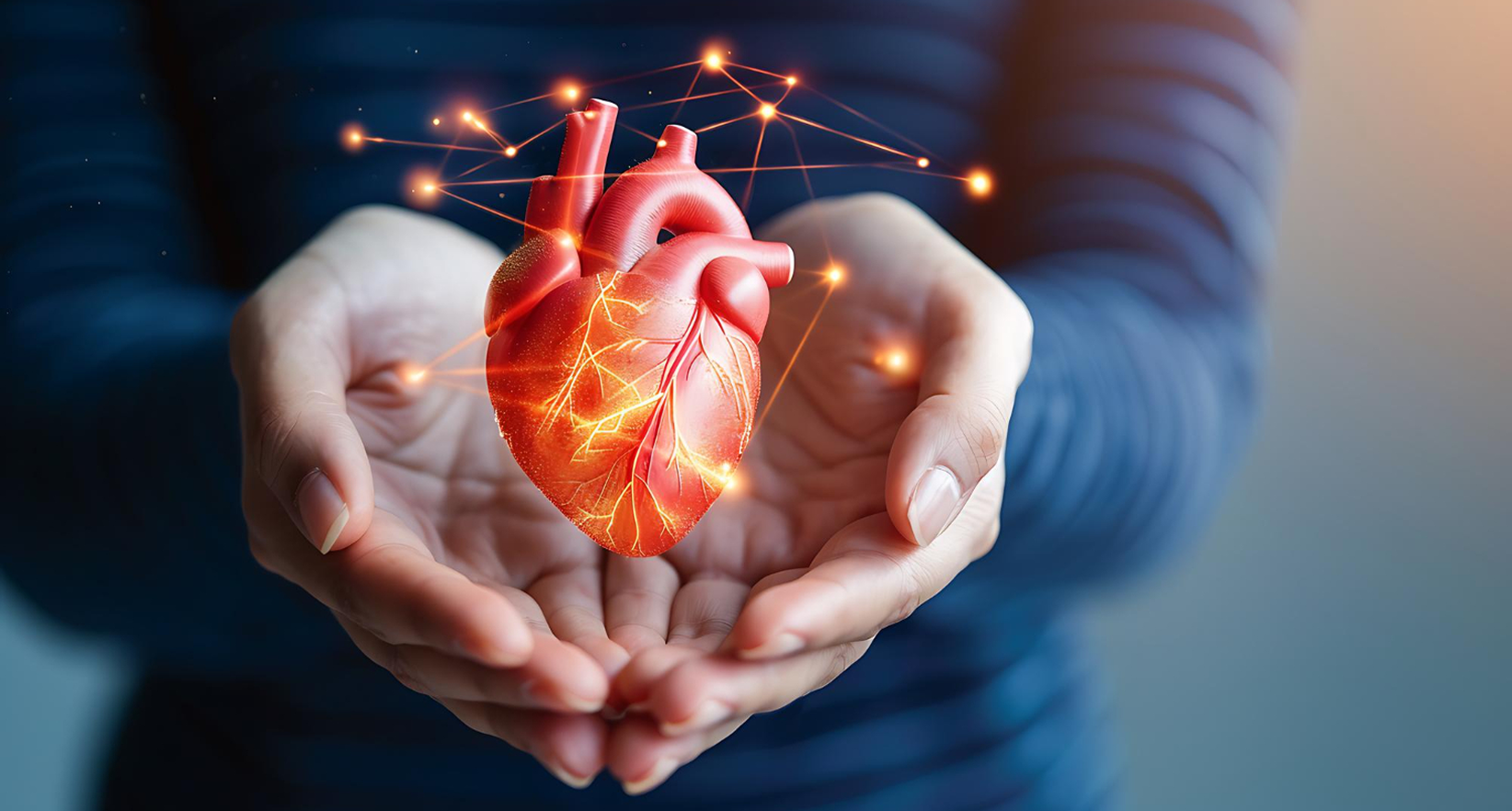
Heart disease remains one of the leading causes of death worldwide, yet many serious cardiac conditions develop silently over time. In many cases, the body gives early warning signs long before a major cardiac event occurs. Unfortunately, these symptoms are often ignored, misunderstood, or mistaken for less serious health issues such as stress, fatigue, acidity, or muscle pain.
Understanding these early signs and seeking timely medical attention can make a significant difference in preventing complications and improving long-term heart health.
Common Early Signs of Heart Problems
01. Chest Pain or Discomfort
A feeling of pressure, tightness, heaviness, or burning in the chest — especially during physical activity — should never be ignored. Pain may also spread to the arm, neck, jaw, or back.
02. Shortness of Breath
Difficulty breathing while walking, climbing stairs, or resting may indicate reduced heart function and requires medical attention.
03. Unusual Fatigue
Persistent tiredness, low energy levels, or exhaustion after mild activity can sometimes be an early sign of heart disease.
04. Irregular Heartbeat
Frequent palpitations, rapid heartbeat, fluttering sensations, dizziness, or lightheadedness may signal underlying cardiac issues.
05. Swelling in Legs or Feet
Fluid retention causing swollen ankles, feet, or sudden weight gain can occur when the heart is unable to pump blood efficiently.
Major Risk Factors
Several conditions and lifestyle habits increase the risk of heart disease, including:
- High blood pressure
- Diabetes
- Smoking
- High cholesterol
- Obesity
- Lack of physical activity
- Family history of heart disease
When Should You Consult a Cardiologist?
You should seek medical advice if you experience recurring chest discomfort, breathlessness, irregular heartbeat, unusual fatigue, or have existing risk factors such as diabetes or hypertension.
Regular heart checkups are especially important for individuals above 40 years of age.
Protecting Your Heart
Simple lifestyle changes can significantly improve heart health:
- Eat a balanced diet
- Exercise regularly
- Avoid smoking
- Manage stress
- Monitor blood pressure and cholesterol
- Attend regular health screenings
Conclusion
Early detection plays a crucial role in preventing serious heart conditions. Paying attention to warning signs and seeking timely medical care can help protect your heart and improve overall quality of life.